Fish knife comparison: stainless steel vs. high-carbon steel
Wiki Article
Discover the Necessary Features to Seek in a Top-Quality Fish Knife
When selecting a fish knife, several crucial attributes demand focus. The blade product significantly affects durability and sharpness, while adaptability plays an essential duty in precision. In addition, the take care of layout affects convenience throughout prolonged use. Edge retention and safety and security functions are additionally vital for practical use. Understanding these aspects will certainly guide customers towards making an enlightened option, yet the nuances of their importance might not be right away clear.Blade Product and Building
The effectiveness of a fish knife greatly depends upon its blade material and building - fish knife. High-grade fish blades commonly feature blades made from stainless steel, high-carbon steel, or a mix of both. Stainless steel is favored for its deterioration resistance and low upkeep, making it excellent for freshwater and saltwater settings. High-carbon steel, while susceptible to rusting, supplies exceptional intensity and side retention, appealing to those that prioritize reducing efficiencyThe building of the blade additionally plays a critical duty in its effectiveness. Full-tang blades, which prolong the entire length of the take care of, provide improved toughness and balance. In comparison, partial-tang blades might endanger durability. In addition, the density of the blade ought to be considered, as thinner blades enable for more accurate cuts, crucial for fragile fish filleting. Inevitably, a sound blade, utilizing the best materials, is fundamental for achieving the very best outcomes when preparing fish.
Blade Flexibility and Length
Blade versatility and length are essential variables that significantly influence the efficiency of a fish knife. A versatile blade enables precise cuts and the capability to maneuver around bones and skin, making it important for filleting fish properly. The correct amount of flexibility can improve control, allowing the individual to accomplish tidy, smooth cuts with marginal initiative.In regards to size, fish blades usually vary from 6 to 9 inches. A longer blade is useful for larger fish, supplying the reach required for effective filleting. On the other hand, a much shorter blade provides ability to move, making it appropriate for smaller fish or complex tasks.
Ultimately, the choice of flexibility and length must line up with the certain angling requirements and choices of the customer. A healthy mix of these features makes certain optimum efficiency, boosting the total fish prep work experience.
Manage Layout and Convenience
When utilizing a fish knife, a well-designed manage is necessary for making sure convenience and control. The take care of should fit securely in the hand, permitting a firm grasp throughout elaborate tasks such as filleting or skinning fish. Products like rubber, wood, or composite provide various degrees of convenience and grip, influencing the user's experience.Ergonomic attributes are also crucial; contours that adhere to the all-natural shape of the hand can minimize fatigue during extended use. Furthermore, the take care of's appearance plays a significant function in avoiding slippage, specifically when working with damp hands.
Weight distribution is an additional variable that adds to the general balance of the knife, boosting ability to move. A comfortable take care of style not only boosts performance however also promotes here security, as a secure grip lessens the threat of accidents (fish knife). Eventually, a thoughtful handle layout can dramatically raise the effectiveness of a fish knife in culinary applications
Side Retention and Honing
While utilizing a fish knife, keeping a sharp side is vital for attaining clean cuts and exact filleting. A high quality fish knife should display superb edge retention, permitting it to remain sharp with numerous usages. This characteristic is commonly established by the kind of steel made use of in the blade; high-carbon stainless steel is often liked as a result of its equilibrium of solidity and deterioration resistance.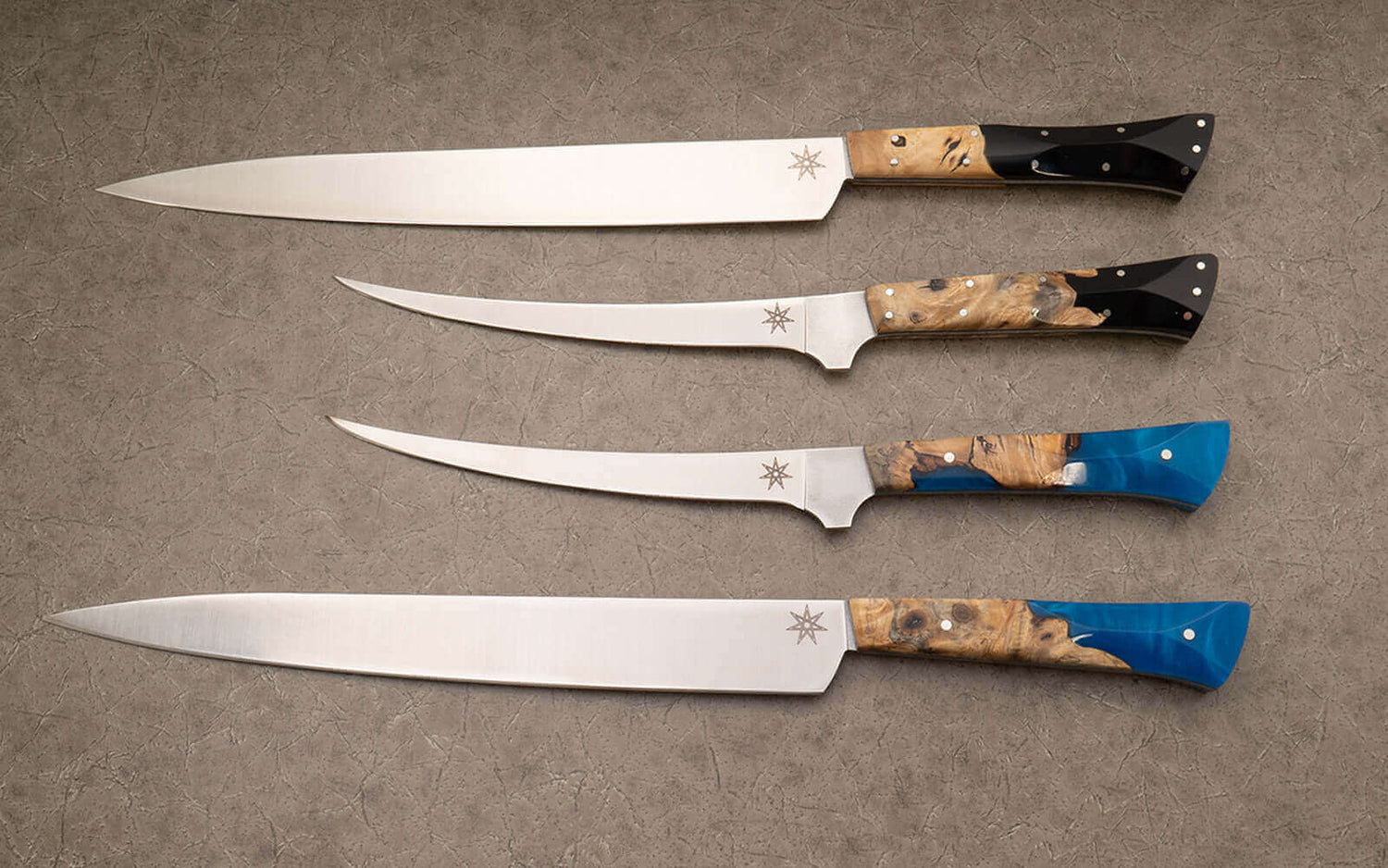
Safety Functions and Sheath Options
Many safety and security attributes and sheath alternatives are vital considerations when choosing a fish knife. A safe and ergonomic deal with reduces the threat of slides throughout use, enhancing user safety and security. Distinctive holds and finger guards additionally avoid mishaps, permitting better control while filleting fish.In addition, a blunt pointer can decrease the danger of puncture injuries, making it a safer selection for amateur customers.
Sheath choices likewise play a vital function in security. A well-designed sheath safeguards the blade, stopping unexpected cuts when the knife is stored or transported. Sheaths made from resilient materials, such as nylon or difficult plastic, offer included security versus ecological components.
Some sheaths feature belt clips or loops, making certain the knife is easily accessible while staying safe. Eventually, focusing on safety features and sheath alternatives adds considerably to the total capability and individual experience of a fish knife.
Regularly Asked Concerns
What Is the most effective Brand Name for Fish Knives?
The very best brand for fish knives frequently differs by preference, but renowned names like Wüsthof, Victorinox, and Reject are regularly suggested for their sharpness, craftsmanship, and sturdiness, making them top options among cooking lovers and professionals alike.Can Fish Blades Be Made Use Of for Various Other Kinds Of Fish?
Fish knives can indeed be used for various other sorts of fish. Their style and intensity make them flexible enough for various fish species, improving the general experience of filleting and preparing different kinds of fish and shellfish.
Just how Do I Clean and Keep My Fish Knife?
To clean up and keep a fish knife, rinse it with cozy water after usage, gently scrub with light soap, completely dry thoroughly, and shop in a safety sheath to avoid damage and deterioration. Normal honing is important.Exist Fish Knives Specifically for Left-Handed Users?
Yes, there are fish knives made particularly for left-handed customers. These knives feature reversed blade angles and ergonomic manages, guaranteeing convenience and effectiveness for left-handed individuals while filleting and preparing fish. Quality alternatives are offered from various suppliers.What Is the Rate Array for Top Quality Fish Knives?
Quality fish knives usually range from $20 to $150, depending on products, brand name reputation, and craftsmanship. Higher-end choices might feature specialized styles and exceptional comfort designs, while affordable choices still supply satisfactory efficiency for laid-back customers.The performance of a fish knife mostly hinges on its blade product and construction. Top quality fish knives commonly feature blades made from stainless steel, high-carbon steel, or a mix of both. Blade flexibility and size are important elements that significantly influence the efficiency of a fish knife. Fish knives can certainly be made use of for various other types of fish. These blades include reversed blade angles and ergonomic handles, ensuring comfort and efficiency for left-handed people while filleting and preparing fish.
Report this wiki page